

 See My Latest Article on HelloNation

What Are Property Taxes and Why Do Homeowners Pay Them?
Property taxes are annual fees collected from property owners to fund public services and infrastructure. In Paducah, these taxes help support local schools, fire and police services, parks, and road maintenance. Homeowners contribute to the community’s well-being by paying their share based on their property’s value.
This system means that those who own more valuable properties may pay higher taxes, reflecting their relative share of public service costs. The exact amount is determined by local assessments and tax rates.
How Are Property Taxes Calculated in Paducah, KY?
The annual tax bill is calculated using the assessed value of your property and the combined tax rates of several local agencies. Paducah appraises each home based on market value, and then applies specific tax rates set by city, county, and school districts.
Here's a simplified breakdown:
- Assessed Value: The city’s property assessor reviews your home's market worth, adjusting for local sales, property changes, and any improvements you’ve made.
- Tax Rate: This rate, called a "millage rate," is set by government bodies each year and may change slightly.
- Exemptions & Deductions: Some households qualify for exemptions—such as the homestead exemption for seniors—which can reduce the taxable amount.
The equation is generally:
Assessed Value x Tax Rate = Property Tax Due
How and When Do Residents Pay Property Taxes?
Homeowners in the city receive a bill each autumn, which covers that tax year’s obligation. Property taxes are typically due by December 31, though local deadlines might be slightly different in years with calendar changes or official holidays.
Residents can pay:
- Online via the city or county tax portal
- By mail with a check and payment stub
- In-person at the local tax collector's office
It’s common for those with mortgages to have taxes collected through an escrow account managed by their lender. The lender then pays the city directly using these funds.
Missing a due date can result in penalties or interest, so area homeowners typically pay close attention to the annual bill’s details and deadlines.
What Factors Can Change the Amount You Owe?
Several elements can alter property tax bills from year to year:
- Market Trends: Rising or falling real estate prices can impact the assessed value.
- Home Improvements: Adding living space, renovating kitchens, or finishing basements may increase your property’s taxable value.
- Policy Changes: Adjustments made by local agencies to tax rates or exemptions impact bills citywide.
- Appeals: If a homeowner disagrees with the assessed value, there’s a process to appeal the amount for review. Successful appeals can lower the annual payment.
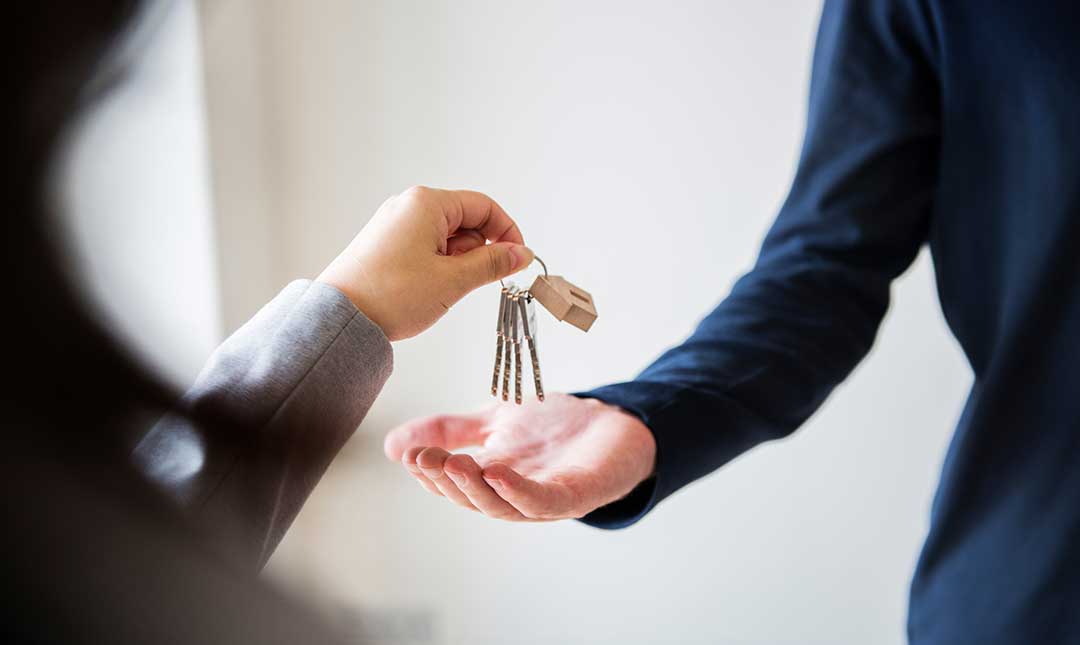
A common misconception is that minor updates, like painting or basic landscaping, will alter a tax bill—these routine maintenance choices do not affect home valuations.
What Local Exemptions or Discounts Are Available?
The city offers property tax exemptions and relief for qualifying groups, such as:
- Homeowners aged 65 and over (homestead exemption)
- Persons with disabilities
- Qualifying veterans
These programs are intended to help ease the property tax burden for individuals on fixed incomes or those with additional needs. Applications and documentation are typically required, and deadlines apply.
How Do Property Taxes Affect Home Buying and Selling in the Community?
Property taxes are a key consideration when budgeting for a new home, and they can influence affordability for local buyers. Annual tax amounts are included in most real estate listings as part of the estimated monthly cost.
When selling a home, any outstanding property taxes are typically settled at closing—meaning both sellers and buyers need to verify amounts due and who is responsible for payments. Taxes are prorated so that each party pays only for the portion of the year when they owned the home.
What Happens If a Homeowner Can’t Pay Their Property Taxes?
Falling behind on property taxes can lead to serious consequences. Unpaid taxes accrue penalties and interest, and after a set period, the city may initiate a tax sale process to recover the funds.
This rarely happens right away; homeowners will receive multiple notices about delinquent taxes and options for payment plans. However, ignoring tax bills indefinitely may eventually risk losing the property. Reaching out for assistance or exploring payment options early is the safest course.
Where Can Residents Find the Most Current Local Tax Information?
The primary source for official property tax details is the Paducah city and county government websites. Local offices provide up-to-date millage rates, exemption forms, payment portals, and deadlines. Residents with questions about their property’s assessed value or appeal rights can find direct contact information for the local property valuation administrator’s office.